
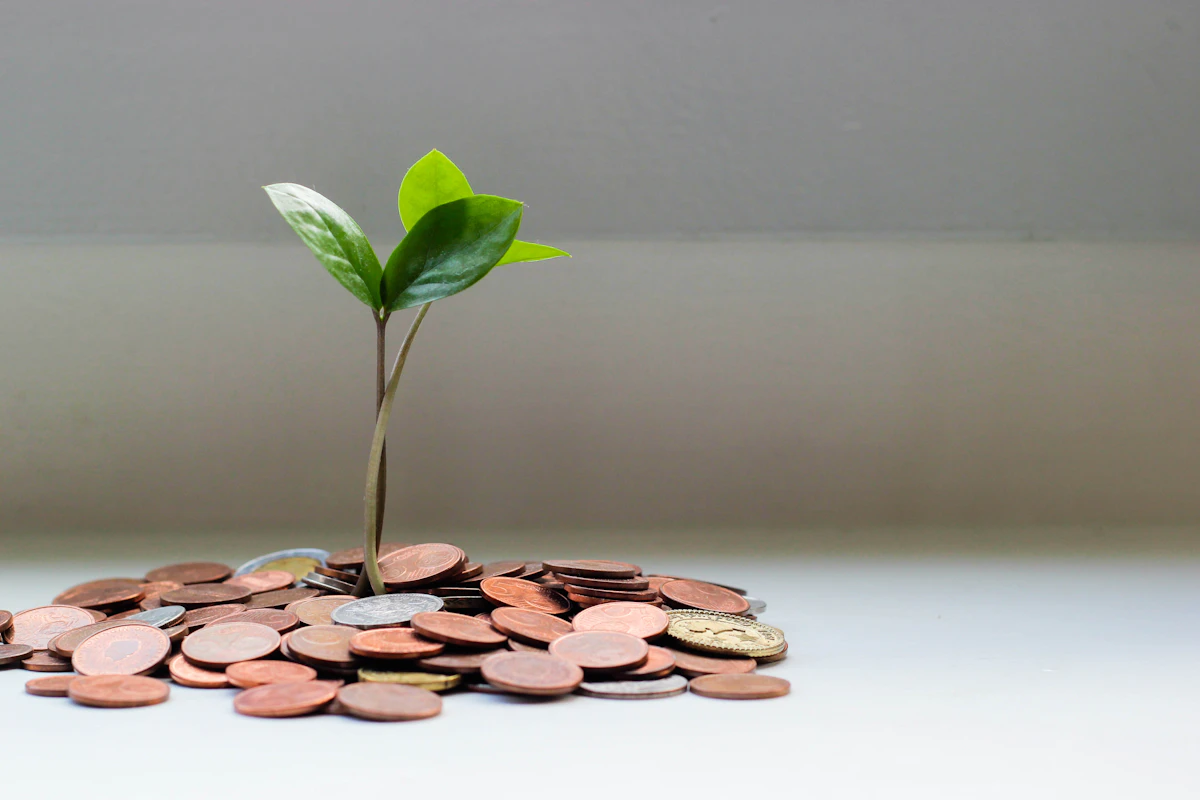
An emergency fund is a pile of cash, kept separate and safe, that exists to absorb job loss, medical bills, urgent repairs, and the other events that otherwise turn into credit card debt. Starting from zero is genuinely doable, and the sequence matters more than the amount: first a small starter buffer, then automation, then steady growth toward three to six months of essential expenses. This article covers what counts as an emergency, how to size the fund for your actual life, where to keep the money so it is safe but not tempting, and how to find the first dollars even on a tight budget.
What Counts as an Emergency
The fund exists for genuine, urgent, necessary events: losing your income, a medical or dental bill insurance does not cover, a car or home failure you need to function, a family emergency requiring travel. It does not exist for sales, vacations, gifts, or the latest phone, and it is not an investment or a slush fund. Writing your own definition down before you need it is not ceremony; it is the difference between dipping for a weekend trip and having the money eleven months later when the transmission dies.
There is a second, quieter purpose worth naming: psychological. People with a cash buffer negotiate differently, leave bad jobs sooner, and take smarter risks. Surveys of American households, including the Federal Reserve's long-running Study of Household Economics and Decisionmaking, have repeatedly found that a large share of adults, often around four in ten in recent years, would struggle to cover an unexpected $400 expense from cash alone. The fund is what moves you out of that statistic.
How Much You Actually Need
The standard guidance is three to six months of essential expenses, not three to six months of salary. Essentials are what you would still pay if money got tight: housing, utilities, groceries, insurance, transport, minimum debt payments, childcare. Discretionary spending is deliberately excluded. A household that spends $2,500 a month on essentials therefore targets $7,500 to $15,000 in the fund.
Where you sit in the range depends on your situation. Lean toward three months if you have a dual income, in-demand skills, and stable employment. Lean toward six or more if income is irregular or commission-based, if you are a single earner with dependents, if anyone in the household has chronic health costs, or if your industry sheds jobs quickly in downturns. Self-employed people should arguably sit at the top of the range permanently.
Start With a $1,000 Buffer
Six months of expenses sounds impossible from zero, which is why the first goal is deliberately small: $500 to $1,000, held for true emergencies only. At that size the fund already converts most bad surprises from debt events into inconveniences, because a parking a car repair or an insurance deductible no longer goes on a 22 percent APR card. [Internal Link: How to Create a Monthly Budget That Works]
A concrete hypothetical: save $85 a week for 12 weeks and you have $1,020. That is one working month of modest effort to change which account your next emergency lands in. If $85 a week is not visible in your budget yet, the next section is about finding it.
Where to Keep the Money
Three requirements: safe, liquid, and slightly annoying to touch. That points to a dedicated high-yield savings account, ideally at a different bank from your checking account, with no debit card attached to it. Transfers in and out should take a day, long enough to stop impulse raids, short enough to be there when the mechanic needs paying.
During the high-rate period of 2023 through 2025, leading online savings accounts paid over 4 percent APY while the FDIC national average sat well below half a percent, so the choice of account was worth real money on a growing fund. Rates move with the Federal Reserve, so check current offers, but the structural advice holds: competition between online banks exists, and the national average is a floor, not a target. [Internal Link: What Is a Bank Interest Rate and How Does It Work?]
What to avoid matters as much. Not stocks: the market tends to fall at the same time jobs disappear, exactly when you would be forced to sell. Not your checking account: money that mingles with daily spending gets spent. Not a locked CD or retirement account: penalties destroy the availability that is the entire point. And under the mattress: the fund should be FDIC-insured up to $250,000 per depositor, per bank, per ownership category.
Finding the Money to Fund It
Most households can surface the first dollars through a one-time audit followed by automation:
- Cut subscriptions you forgot. The average household carries several streaming services plus apps and memberships; $25 to $40 a month is typical.
- Trim recurring bills once. A cheaper phone plan, a faster meal-plan habit, or haggled insurance renewals commonly free up $50 to $100 a month permanently.
- Route windfalls by rule. Tax refunds, gifts, and bonuses: a common approach sends half to the emergency fund and lets you spend half freely. The rule prevents both hoarding and evaporating.
- Sell what you no longer use. One weekend of selling unused electronics, furniture, or gear often covers the entire starter buffer.
- Bank the raises. The next pay increase goes to the fund automatically before lifestyle absorbs it.
A realistic hypothetical mix: $30 from subscriptions, $60 from dining out trimmed rather than eliminated, $25 from a phone plan downgrade, $20 from a cheaper gym, and $15 from small habit changes equals $150 a month, which is $1,800 a year toward the fund without any second job. Larger gaps get closed by earning, not just cutting: temporary side work, overtime, or seasonal work accelerates the starter phase, which only needs to last three months.
Automate It
Set an automatic transfer on payday, the day after, into the dedicated account, sized to whatever the audit made visible. Automation converts the fund from a monthly decision into background plumbing, and the decision is where most savings plans die. If the amount feels ambitious, start at half of it; raise the transfer every time income rises. The account being at a separate bank is part of the design: a one-to-three-day transfer delay is a feature, filtering impulse withdrawals while keeping the money reachable for real emergencies.
Rebuilding After You Use It
Spending the fund is not failure; it is the fund working. Rebuilding, though, should be automatic and immediate: pause optional investing contributions beyond any employer match, redirect that flow to the emergency account, and restore the previous balance before resuming. This is the same logic airlines use with oxygen masks, protect the foundation first. Keep a simple note of what triggered the withdrawal; two or three years of such notes usually reveal patterns worth fixing structurally, like an undersized car-maintenance sinking fund.
Common Mistakes
- Investing it for growth. The fund's job is certainty, not return. It should at least beat inflation mildly in a high-yield account and always be there.
- Keeping it in checking. Money visible during daily spending gets absorbed. Separation is the protection.
- Treating credit as the fund. A card with a $10,000 limit is not an emergency fund; it is an emergency loan at 20-plus percent, arriving precisely when income is least able to service it.
- Setting and forgetting the size. Rents rise, children arrive, jobs change. Re-check the target annually against current essential expenses.
- Never defining an emergency. Without a written definition, every want gets argued into the fund. [Internal Link: What Is Inflation and How Does It Affect You?]
Frequently Asked Questions
Should I build the fund or pay off debt first?
General sequencing, not personalized advice: a small starter buffer of about $1,000 comes first, because it prevents new borrowing when surprises hit. After that, aggressively paying down expensive debt, typically anything above roughly 8 to 10 percent interest, usually beats growing the fund beyond the starter stage, since no savings account reliably out-earns a 20 percent credit card. Once expensive debt is gone, build toward the three-to-six-month target.
Where does retirement saving rank against the emergency fund?
Capture any employer retirement match before heavy emergency saving, because the match is an immediate return you cannot replace. A common order is: employer match, then the starter buffer, then expensive debt, then the full three-to-six-month fund, then broader retirement and investment contributions.
Can I use a credit card limit as my emergency fund instead?
No. Credit availability is not cash, it can be cut precisely in a downturn, it costs 20 percent or more to use, and it must be repaid with income you may not have. The fund's entire value is that it requires no lender, no approval, and no repayment.
The Bottom Line
Define what an emergency means in your household, park a starter buffer of $500 to $1,000 in a separate high-yield savings account within about three months, automate the transfer on payday, then grow the fund toward three to six months of essential expenses using found money, windfall rules, and modest recurring cuts. Keep it boring, insured, and slightly out of reach. The first genuine emergency that no longer becomes debt will pay for the whole setup.